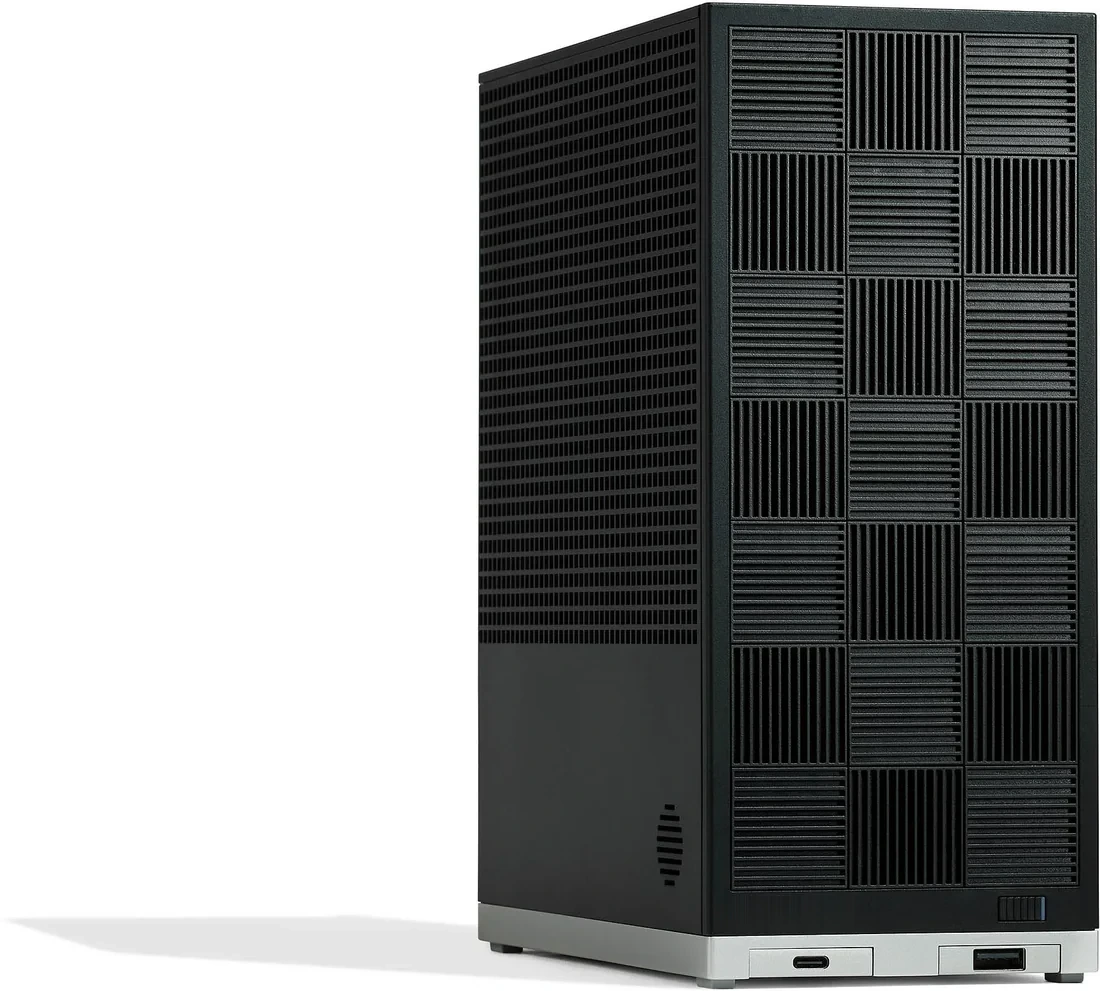
The Inplant appliance: a compact matte-black tower with a perforated front panel, silver base and front-facing USB ports
On-premises AI for manufacturing

The plant that learns.

Anyone can buy the same machines. Nobody can buy what your people learned running them.

Inplant Scale $2,640 / month + shipping

Smaller plant? Inplant Mini is $299 a month, up to twenty people.

The suite

One appliance. Four use cases.

Built for one or two sites and a few hundred people, with years of manuals, notes and photographs nobody has had time to organise. Two of the four answer when you ask them. The other two run on their own, so the work that never gets done because nobody has a spare hour for it gets done anyway.

Engineering

Ask it why a process behaves the way it does. Feeds and speeds, tolerance stacks, GD&T, heat treatment, why a finish keeps coming out wrong. It answers from general engineering and says so, and it will not put a number on your equipment that it has not read in your own documents.

Reasoning

Signals

It reads what comes in and raises what nobody had time to notice. The defect that clusters on one shift. The alarm that keeps arriving a week before the failure. The question three people asked that no document answers. You are told, rather than having to think to ask.

Background

Answers

Anyone in the building, any shift, in about a second, with the document and the page it came from. Manuals, scanned prints, photographs taken at the machine, voice notes off the floor. When your documents do not cover it, it says so instead of guessing.

On demand

Documents

Shift handover, audit preparation, the first cut of an 8D. Drafted on the plant's rhythm out of what the shift actually recorded, so the writing is done before anyone sits down to it, and always signed by a person before it goes anywhere.

Scheduled
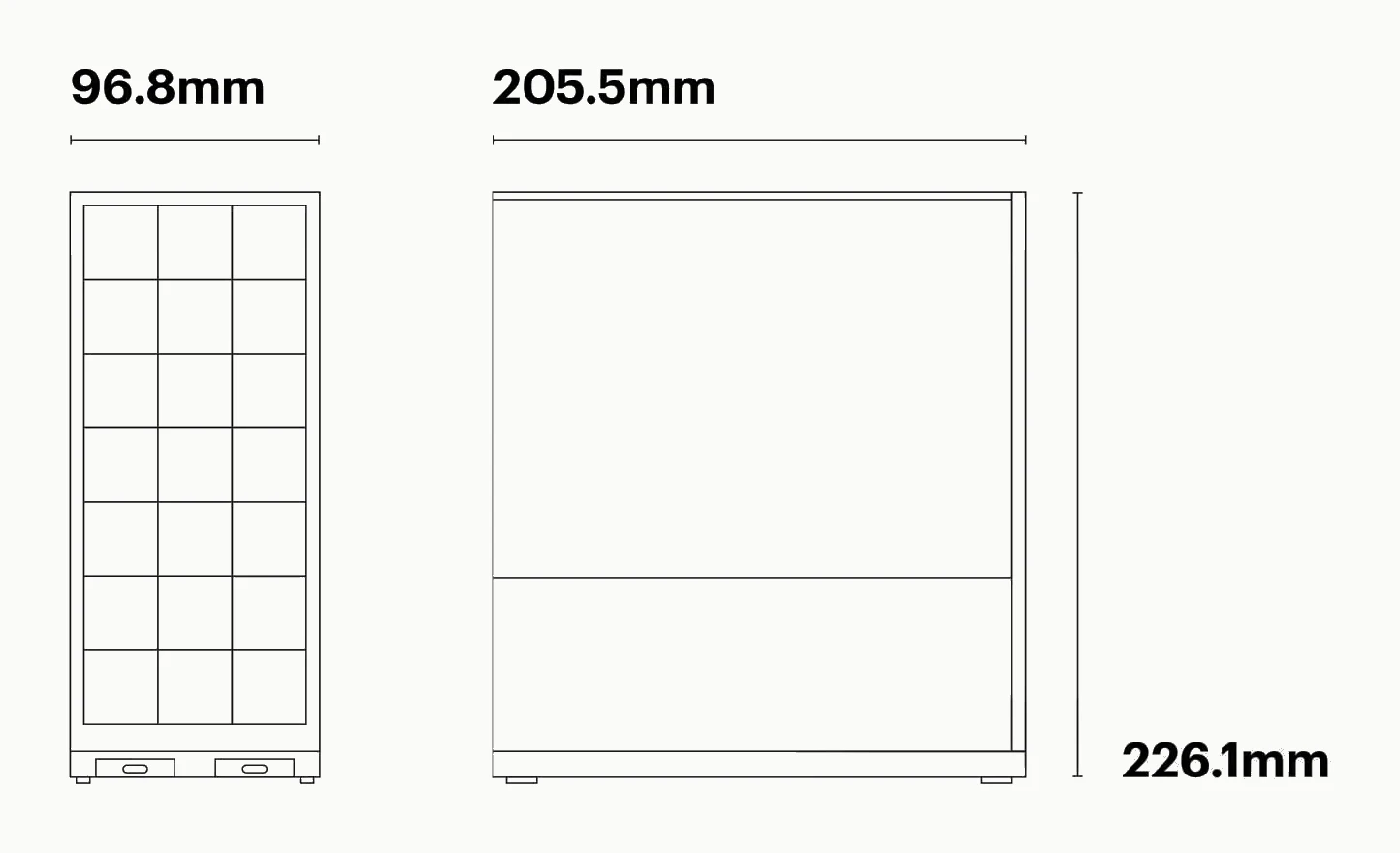
Scale drawings of the appliance: 96.8 mm wide seen from the front, 205.5 mm deep and
               226.1 mm tall seen from the side
96.8 × 205.5 × 226.1 mm
The unit

One box. Nothing to rack.

Stands on a shelf. Power, one network cable, and a pointer at wherever your documents already live: an SMB share, SharePoint, or a folder someone maintains. It reads the words in scans and photographs, so paper nobody typed up becomes searchable.

Anyone can add to it on the spot. The attach button in the chat takes a photograph of a nameplate, a voice note, or a PDF. A technician's upload waits for an admin to approve it.

It arrives knowing things, too: enough published engineering writing, in enough languages, to explain a term before you index a file. Those answers are labelled, and it will never state a figure about your equipment.

Everyone uses it in a browser. There is no command line, nothing to install on anyone's machine, and nothing for your people to learn beyond typing the question.

Specifications

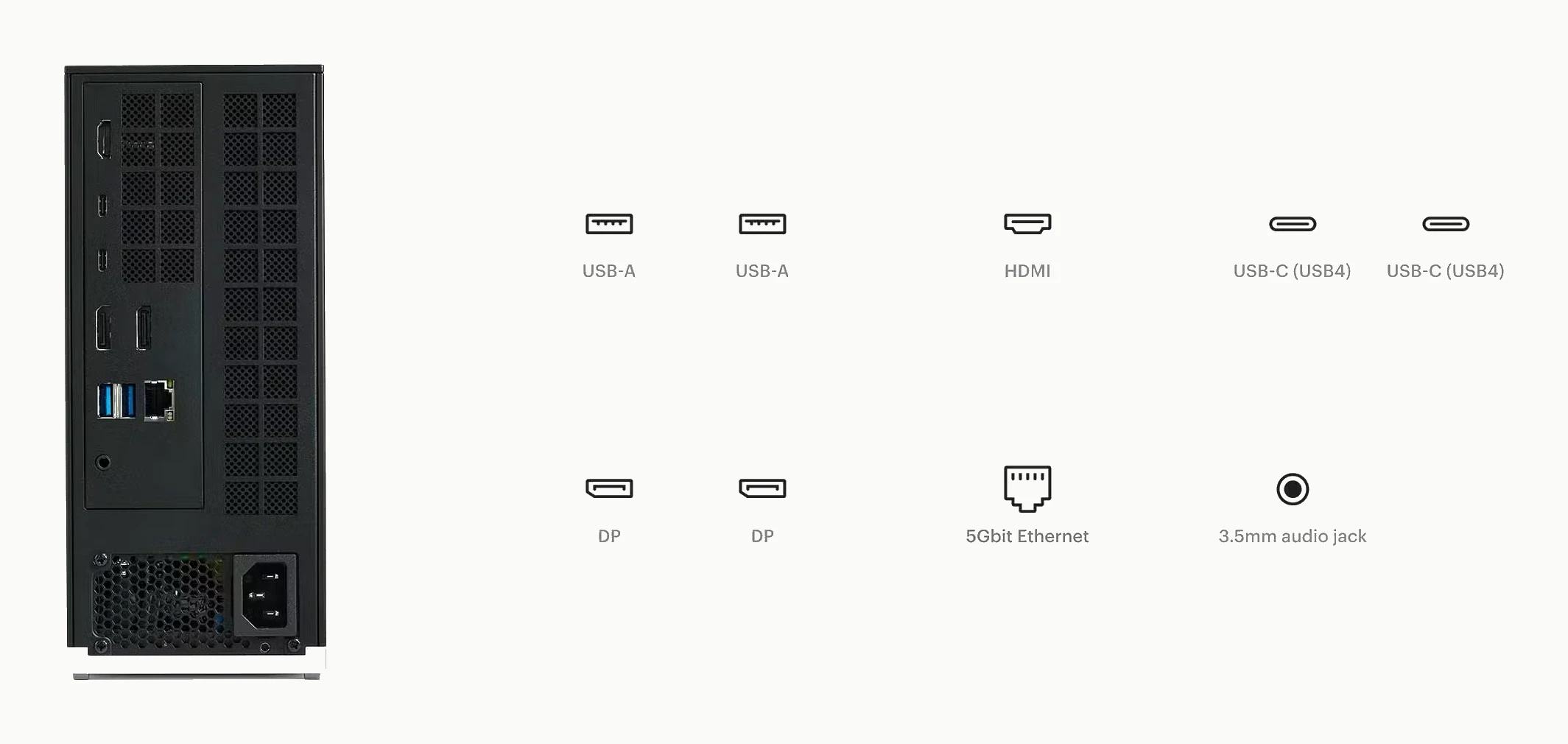
The back of the appliance and its ports: two USB-A, HDMI, two USB-C carrying USB4, two
               DisplayPort, 5 gigabit Ethernet, a 3.5 mm audio jack and a C13 mains inlet
Power and one network cable is all it needs. The rest are there if you want them.
What it does

Four use cases. One unit.

One asks the unit what it knows about engineering. One asks it what is in your documents. Two run on their own. Anything quoted from your documents names the page it came from, and anything answered from general knowledge says so.

Engineering

It knows the engineering, not just your files.

General engineering and physics. Ask why a process behaves the way it does and it reasons it through, before you have indexed a single file.

Answers from general knowledge → labelled, no sources attached.
Why would 6061 gall on a HSS cutter but not on carbide?

Aluminium is soft and adhesive, so it welds to the cutting edge wherever friction runs hot. HSS holds less of its hardness at temperature than carbide, so the edge dulls, rubs, and the built-up layer grows. Sharper rake, more coolant, and a faster surface speed all attack the same cause.

Lane
General
Sources
None attached
Your equipment
Never quoted
GENERAL KNOWLEDGE · NO DOCUMENT CITED
Answers

It quotes what you already have.

Manuals, scanned prints, photographs taken at the machine, voice notes off the floor. Anyone in the building, any shift, in about a second.

Finds the line → names the document and the page.
What's the spindle taper on the G0463?

The spindle taper is R-8, quoted directly from the manual.

Source
grizzly-g0463-mill-drill.pdf
Page
12
Model used
None
QUOTED, NO MODEL · GRIZZLY-G0463-MILL-DRILL.PDF P.12
Documents

It writes the handover.

At the end of a shift it drafts the document somebody would otherwise write at six in the morning. Handover, audit preparation, the first cut of an 8D.

Reads the shift → drafts a PDF → a person signs it.
Shift handover · Tuesday, nights

Line 4 ran two hours short on a coolant fault. Pump whine on cold start noted again, still recorded as normal. Two parts quarantined pending measurement on days.

Drafted from
14 notes, 3 photos
Format
PDF
Signed by
A person, always
DRAFTED FOR REVIEW · NOTHING LEAVES UNSIGNED
Signals

It says when something is odd.

It reads what comes in and raises the thing nobody had time to notice. A defect clustering on one shift, an alarm that keeps arriving a week before the failure.

Watches the pattern → raises it → says what it saw.
Coolant fault, line 4

Third time in eleven days, all of them on nights. The previous two were cleared without a part change, and neither was written up.

Seen in
3 shift reports
First
11 days ago
Raised to
Maintenance
RAISED BY THE UNIT · NOBODY ASKED IT
Performance
/

A technician gets an answer before they put the phone down.

The investment

Machines depreciate.
AI appreciates.

Every shift adds to it. A photograph, a voice note, a correction to an answer that was not quite right. None of it is a project, and none of it is anyone's job.

A box you buy is the version you bought. You get a release every month instead, and nothing your people have added is lost to an update.

What it knows Arrived with Taught by the plant
Bench
M3
M6
M9
M12
M15
M18
M24
M30
M36

The shape, not a measurement. What it arrives with is fixed. What your plant adds to it is not.

At a glance

Cloud AI, and Inplant.

The same question, asked of a chatbot with a subscription and of a box in your own building.

Cloud AI Inplant
Where your documents sit On a vendor's servers In your building
Where the answer came from Usually not shown Document and page, every time
When it doesn't know Answers anyway Says so, and logs the gap
Internet goes down Stops working Keeps working
Cost Per user, per token Flat, unlimited
Removing a document Request and wait Drop it from the index; it stops answering at once
Who holds the query log The vendor You, on the box
Pricing
$2,640

per month · $31,680 a year · month to month, no minimum term

Plus shipping. Hardware, warranty and replacement are in the month. Thirty days to send it back, refunded in full.

Inplant Mini

Smaller plant? Start at $299 a month.

The same four use cases, the same citations, the same nothing-leaves-the-building, scoped to twenty people on one site. Fill in an address and we ship it.

See Inplant Mini